Why Pursuing a Master’s Degree is Crucial
Getting a master’s degree today isn’t just a nice-to-have; it’s becoming a necessity, especially if you want to climb the career ladder. It deepens your expertise, sharpens your problem-solving skills, and equips you with the tools to lead in industries like technology, business, healthcare, and engineering. Many employers in these fields expect candidates to have a master’s degree for career advancement.
For African students, a master’s degree from a European institution can be a passport to new opportunities—not just abroad but also back home. You’ll gain exposure to cutting-edge research, innovative thinking, and fresh perspectives that will make you highly competitive in today’s job market.
European Education: World-Class and Affordable
One of the biggest draws for studying in Europe is affordability. Unlike the US, Canada, or the UK, where tuition fees are sky-high, Europe offers high-quality education at a fraction of the cost. Countries like Germany, Belgium, Hungary, and Poland provide some of the best academic programs for as low as €2,000–€7,000 per year. Compare that with tuition fees in the US or the UK, which can soar to $20,000–$40,000 a year, and Europe suddenly looks like a much more affordable—and practical—option.
Even better, many European countries offer scholarships, grants, and work opportunities for international students, making it even easier to finance your education. So, for African students looking to get an internationally recognized degree without going into massive debt, Europe is the way to go.
A Rich Cultural Experience
Studying in Europe isn’t just about academics. You’ll also get to experience a diverse, rich culture that will broaden your horizons and help you grow both personally and professionally. With Europe’s rich history and social diversity, students can immerse themselves in a multicultural environment that will prepare them for the interconnected global workforce. The opportunity to travel and experience different European cultures is a huge bonus that adds real value to your educational journey.
Conclusion: Your Future Starts Now
For African students serious about advancing their careers, Europe offers the perfect blend of high-quality education, affordability, and cultural exposure. The benefits are undeniable—you’ll gain a world-class degree, build a global network, and emerge as a strong candidate in the international job market—all without the financial strain of studying in the US, UK, or Canada.
At Dtech Centrix, we’re here to guide you every step of the way—from application to admission—to ensure you secure a place in a European university that fits your career goals. Ready to make a move? Get in touch with us today to explore how we can help you get started on this exciting journey.
Take charge of your future now—don’t wait!
#StudyAbroad #DtechCentrix #AffordableEducation #AfricanStudents #MastersInEurope #DrAddy #AfricanMigrants #Europe #Destination #MastersDegree
]]>Why Choosing The Right Career Path Matters
- Long-Term Fulfillment
Choosing a career that aligns with your values and passions can provide you with a sense of purpose. It’s easier to stay motivated and committed to a career that resonates with your inner desires rather than one you’re forced into. - Financial Stability
A well-thought-out career choice often leads to better financial outcomes. Stable and growing industries provide opportunities for financial growth, while declining industries might leave you stuck in jobs with limited prospects. - Work-Life Balance
The right career can offer flexibility and opportunities for personal growth, while an unsuitable one could leave you constantly stressed, struggling to maintain a balance between work and personal life. - Adaptability in a Changing World
The job market is constantly evolving, with technology disrupting traditional roles and creating new ones. A well-chosen career path will allow you to adapt to changes in the workforce, ensuring that you remain relevant and employable for years to come.
Common Challenges
Many people face uncertainty when choosing a career, struggling with a lack of direction, fear of failure, or a mismatch between personal interests and market needs. Without proper guidance, it’s easy to feel stuck.
At Dtech Centrix, we specialize in helping individuals find the right career path through personalized consultations, market research on high-demand industries, and skills development support. We even provide guidance on international career opportunities and visa assistance for those looking to work abroad.
Take Action Now! Don’t let uncertainty stop you from achieving your career goals. Contact Dtech Centrix today to schedule a consultation and start your journey toward a fulfilling and stable career. Let us guide you to a path that suits your unique talents and aspirations.
]]>

Imagine this: you’ve finally made it to the United States, and you’re holding a green card in your hands. For many African immigrants, this isn’t just a piece of paper—it’s the key to unlocking a world of opportunities, stability, and personal growth in one of the most developed countries on the planet. At Dtech Centrix, we understand how significant this milestone is for you, and we’re here to guide you through every step of your journey
Becoming a green card holder in the United States is more than just an immigration status—it represents a critical step toward achieving long-term stability, personal growth, and economic opportunity in one of the world’s most developed nations. For immigrants, obtaining a green card is a significant milestone that paves the way for a host of benefits, each of which can drastically improve one’s quality of life.
Let’s discuss further;
1. Your Pathway to Permanent Residency
Securing a green card means you’ve earned the right to live and work in the U.S. indefinitely, freeing you from the uncertainty and limitations of temporary visas. No more worrying about renewing your status or the threat of deportation. With permanent residency, you can confidently plan your future—whether it’s buying a home, pursuing further education, or advancing your career.
2. Unlock Limitless Employment Opportunities
With a green card, you’re no longer tied to a specific employer or job role. This freedom allows you to chase your career dreams without the constraints of visa limitations. Whether you’re aiming for a promotion, thinking about switching industries, or dreaming of starting your own business, the possibilities are endless. Employers also favor green card holders since they don’t require visa sponsorship—making you a more attractive candidate.
3. The Road to U.S. Citizenship
A green card is more than just a residency permit; it’s your first step towards U.S. citizenship. After holding a green card for five years (or three if married to a U.S. citizen), you can apply for naturalization. As a U.S. citizen, you’ll gain the right to vote, access to certain government jobs, and the ability to obtain a U.S. passport, giving you more freedom to travel and fully integrate into American society.
4. Access to Exclusive Benefits
Beyond the right to live and work, green card holders gain access to essential social services like Social Security and Medicare, offering you financial security in times of need. You can also benefit from in-state tuition rates at public universities and qualify for federal financial aid, making education more affordable and accessible.
5. Reunite with Your Loved Ones
One of the most heartwarming aspects of obtaining a green card is the ability to bring your family closer. You can sponsor your spouse and unmarried children under 21 to join you in the U.S., making it easier to build a secure and loving family life together.
6. Affordable Education and Financial Aid
As a green card holder, you’re eligible for in-state tuition rates, which can dramatically lower the cost of higher education. Plus, you’ll qualify for federal financial aid, making it easier to pursue your academic and professional aspirations without financial strain.
Conclusion
At Dtech Centrix, we’re committed to helping you navigate the complexities of obtaining a green card and making the most of the opportunities it provides. Whether you’re focused on career growth, family reunification, or the path to citizenship, our tailored services are designed to meet your unique needs and help you achieve your American dream.
Don’t wait to transform your life—reach out to us today, and let’s get started on making your aspirations a reality. Contact Dtech Centrix now to book your personalized consultation!
#DtechCentrix #GreenCardSuccess #AfricanMigrants #ImmigrationSupport #CareerGrowth #FamilyReunification #EducationalOpportunities #YourAmericanDream
]]>
In today’s globalized world, workplaces are becoming increasingly diverse. For black immigrants, this presents both opportunities and challenges.
Leveraging cultural diversity can enrich the work environment, foster creativity, and enhance problem solving. However, it can also bring about misunderstandings and biases.
This blog post explores how cultural diversity affects individuals and provides strategies for creating
a balance that benefits everyone.
The Impact of Cultural Diversity on Individuals
1. Enrichment of Perspectives:
●Black immigrants bring unique cultural perspectives, experiences, and skills that can enhance creativity
and innovation within teams.
●Diverse viewpoints lead to more comprehensive problem-solving and decision-making processes.
2. Increased Empathy and Understanding:
●Exposure to different cultures fosters empathy and understanding among colleagues, reducing prejudices and
fostering a more inclusive environment.
3. Enhanced Learning and Growth:
●Working in a culturally diverse environment encourages personal growth and adaptability,
as individuals learn from each other’s experiences and approaches.
4. Identity and Belonging:
●Cultural diversity can influence an individual’s sense of identity and belonging. Feeling valued and
respected for one’s cultural background is crucial for overall job satisfaction and mental well-being.
5. Challenges of Bias and Discrimination:
●Despite the benefits, black immigrants may face biases and discrimination, which can hinder their
career advancement and affect their mental health.
●Microaggressions, stereotypes, and exclusion from informal networks are common issues that
need addressing.
Creating a Balance: Strategies for Individuals and Organizations
1. Promoting Cultural Awareness and Sensitivity:
●Education and Training: Organizations should provide cultural awareness training to educate
employees about different cultures and the importance of inclusivity.
●Celebrating Diversity: Encourage the celebration of cultural events and holidays to acknowledge
and appreciate diverse backgrounds.
2. Fostering Inclusive Leadership:
●Diverse Leadership: Promote diversity in leadership positions to ensure that decision-making processes reflect a variety of perspectives.
●Mentorship Programs: Implement mentorship programs that support black immigrants and other
underrepresented groups, helping them navigate their career paths.
3. Encouraging Open Communication:
●Safe Spaces: Create safe spaces for employees to discuss cultural differences, share experiences,
and voice concerns without fear of judgment.
●Feedback Mechanisms: Establish regular feedback mechanisms to address issues related to cultural
diversity and inclusion.
4. Building Strong Support Networks:
●Employee Resource Groups (ERGs): Support the formation of ERGs for black immigrants and other
cultural groups to provide a sense of community and mutual support.
●External Networks: Encourage participation in external professional networks and organizations that
focus on diversity and inclusion.
5. Implementing Fair Policies and Practices:
●Equal Opportunity Policies: Ensure that hiring, promotion, and evaluation processes are fair and unbiased,
providing equal opportunities for all employees.
●Zero Tolerance for Discrimination: Enforce strict anti discrimination policies and take immediate
action against any form of bias or harassment.
6. Encouraging Flexibility and Adaptability:
●Flexible Work Arrangements: Offer flexible work arrangements that accommodate different cultural
practices and needs.
●Adaptable Management Styles: Train managers to adapt their leadership styles to be more inclusive
and responsive to the needs of a diverse workforce.
Conclusion
Leveraging cultural diversity in the workplace is not just a moral imperative but also a strategic advantage.
For black immigrants, creating a balance between embracing their cultural identity and navigating potential
challenges is key to achieving personal and professional growth. Organizations play a crucial role in
fostering an inclusive environment where diversity is celebrated, and everyone has the opportunity to thrive.
By implementing these strategies, we can build workplaces that are not only diverse but also truly inclusive,
benefiting individuals and the organization as a whole.
]]>
Congratulations! You landed the job. You aced the interview, impressed the hiring manager, and now you’re about to embark on a thrilling new chapter in your career. But hold on a second before you celebrate with a victory dance – there’s one crucial step remaining: the salary negotiation.
While the initial job offer might seem tempting, accepting it without negotiation could mean leaving thousands of dollars on the table – not just for your first year, but potentially for your entire career. Here’s why negotiation is a power play that secures your financial future
Pay negotiation in a new job role is a critical aspect of securing a new job. It ensures you receive fair compensation for your skills and experience, setting the foundation for your financial future and career growth. Effective negotiation can lead to better job satisfaction, increased motivation, and long-term financial benefits. It’s essential to approach this process with adequate research, professional consultations, and understanding industry standards and your worth. A successful negotiation not only enhances your immediate earnings but also positions you favorably for future raises and promotions.

Boost Your Starting Salary: Studies show that new hires who negotiate can increase their starting salary by an average of 5-10%. That translates to immediate financial security and sets a higher baseline for future raises and promotions.
Long-Term Impact: The impact of negotiation goes beyond the initial offer. A higher starting salary compounds over time, leading to a significantly larger total compensation throughout your career. Think about it – a 5% raise on a higher base salary makes a much bigger difference than on a lower one.
Confidence and Value: Negotiation demonstrates your confidence in your skills and worth. It shows the employer you value your contribution and are prepared to advocate for yourself. This sets a positive precedent for future negotiations within the company.
Setting Expectations: By negotiating, you’re establishing your value from the very beginning. This sets clear expectations about your worth and helps ensure you’re compensated fairly throughout your tenure.

So, how do you win the salary negotiation game?
Do Your Research: Before entering any negotiation, know your worth! Research industry standards for your position, experience level, and location. Salary comparison websites and industry reports can be valuable resources.
Be Confident, Not Demanding: Negotiation is a conversation, not a confrontation. Be polite, articulate, and present your case with data to back up your request. Focus on the value you bring to the company.
Be Prepared to Walk Away: Knowing your bottom line and being comfortable walking away from an offer that doesn’t meet your expectations gives you leverage in the negotiation.
Focus on the Total Package: Salary isn’t everything. Consider benefits, signing bonuses, vacation days, or other forms of compensation that contribute to your overall financial well-being.
Remember, negotiation is a skill that can be honed. Don’t be afraid to ask for what you deserve! By wielding your negotiation power effectively, you’ll secure your financial future and set yourself up for a rewarding career journey.
Now go out there, land that dream job, and confidently negotiate the salary you deserve!
In the current job market landscape, navigating career paths can be especially challenging for immigrant professionals and recent graduates of color. Unconscious bias, or a lack of representation in leadership roles and limited access to mentorship, can make it difficult to find the right opportunities.
At Pathfinder, we understand these struggles. That’s why we’re thrilled to introduce our upcoming app, a comprehensive career support platform designed to empower people of color at every stage of their professional journey. Pathfinder equips you with the tools and resources to overcome these barriers and achieve your career goals.

From Frustration to Focus
Break through the barriers holding you back. Pathfinder’s personalized approach helps you chart a clear course for your career success.
Targeted Resume: Imagine a tool that understands your unique skills and experiences, and then connects you with job opportunities tailored just for you. Our AI-powered engine goes beyond keywords to become your personal matchmaker, ensuring you find relevant job openings efficiently and effectively.
Demystifying Your Career Path:
Pathfinder provides personalized guidance to help you make informed decisions about your career. We equip you with the knowledge and resources to navigate the nuances of different career paths and workplace cultures.
Skill Development for Market Leadership: Our platform empowers you to master the skills and knowledge needed to thrive in your chosen career path. We’ll guide you through a personalized learning journey, recommending relevant certifications and workshops to bridge any skill gaps and position you for success. Unlock exclusive opportunities and stay ahead of the curve in today’s competitive market.
Building Your Professional Network: Your network is a valuable asset. Pathfinder fosters meaningful connections that help you build your professional tribe. Connect with like-minded individuals, find mentors, and build lasting relationships that fuel your career growth.
See Yourself Succeed: Real People, Real Results:
Get inspired & empowered by real success stories. See how others achieved success & replicate their journey. Let our platform transform your career trajectory.
Crafting a Winning Application
Crafting a compelling resume and cover letter is key to standing out. Pathfinder includes tools that help you create polished, professional documents that make a lasting impression on potential employers.
Never Miss an Opportunity: Take control Get matched with dream jobs & events through actionable insights delivered daily. Our customizable alerts and curated event listings keep you ahead of the curve.

Own Your Career Journey: Join the Movement!
At Pathfinder, we are revolutionizing career development for people of color, whether you’re a new immigrant, a recent graduate, or a seasoned professional seeking advancement, our app will be your trusted companion.
Stay tuned as we prepare to launch! Follow us on social media, and be part of our community dedicated to empowering your career journey.
Together, let’s unlock your full career potential. Because at Pathfinder, your success is our mission.
]]>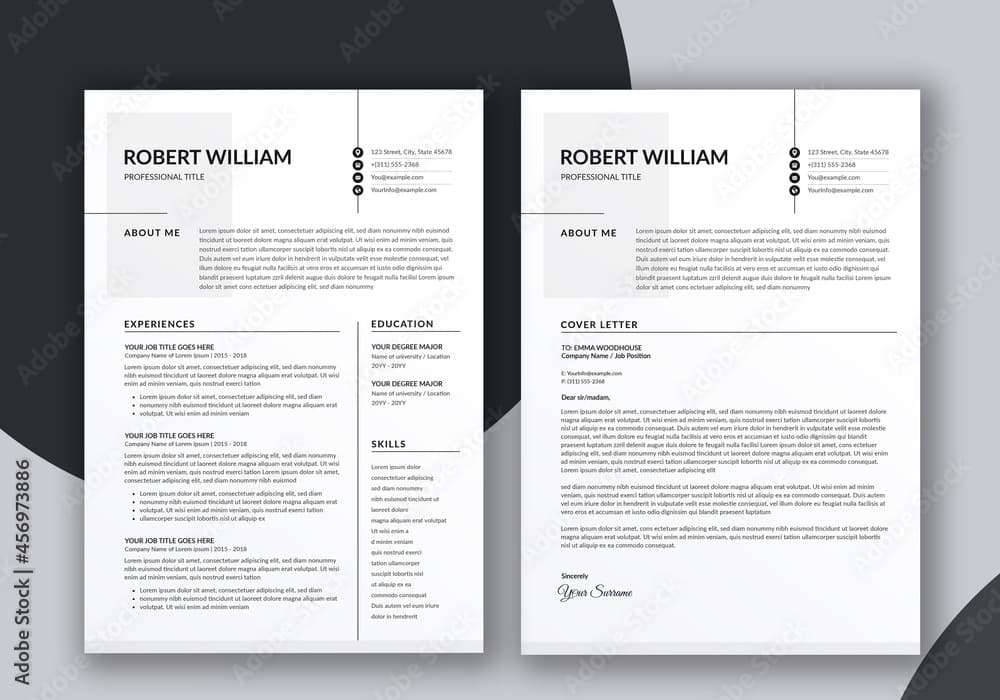
The job search landscape has transformed. Today, your resume’s first hurdle is the Applicant Tracking System (ATS). These digital gatekeepers scan for relevant skills and keywords, prioritizing resumes that match the job description. But fear not! By understanding the “science of the scan,” you can craft a resume that gets noticed by the ATS and lands you that interview.
Decoding the ATS Algorithm
Imagine your CV competing on a high-tech game show, with the ATS as the host. It rapidly scans for specific keywords aligned with the job description. Here’s how to optimize your resume for this challenge:
1. Keyword Magic: Analyze the job description meticulously, identifying key skills, tools, and experiences mentioned. These are your golden keywords! Integrate them naturally throughout your curriculum vitae (CV), especially in your work experience and skills sections. However, prioritize relevance over density – avoid keyword stuffing.

2. Structure is King: ATS systems thrive on clear formatting. Use a simple, easy-to-read layout with consistent fonts and headings. Leverage bullet points and white space to enhance readability. Avoid fancy formatting or graphics, as they might not translate well through the ATS scanner.
3. Action Verbs Take Center Stage: Replace passive language with strong action verbs that showcase your accomplishments. Instead of simply stating “Responsible for managing projects,” use verbs like “Spearheaded” or “Streamlined” to highlight achievements.

Beyond Beating the System: Building a Powerful Resume
Optimizing your CV for the ATS is crucial, but remember, a human will ultimately decide your fate. Use the ATS hurdle as an opportunity to build a compelling document that showcases your unique value proposition.
1. Quantify Your Achievements: Don’t just list responsibilities – quantify your contributions! Did you increase sales by 15%? Did you improve efficiency by 20%? Numbers grab attention and solidify your impact.
2. Tailor, Don’t Temper: While keywords are important, don’t compromise your authenticity. Tailor your curriculum vitae (CV) to each specific job description, highlighting relevant experiences and skills. This demonstrates your genuine interest in the role.
3. Proofread Like a Pro: Typos and grammatical errors scream unprofessionalism. Proofread meticulously and consider having a trusted friend or colleague review your resume for a fresh perspective.
The Final Scan
By understanding the science of the scan and crafting a compelling, keyword-rich resume, you’ll increase your chances of bypassing the ATS and landing in front of a human hiring manager. Remember, the CV is your first impression. Make it count!
Bonus Tip: Consider including a skills section with relevant keywords tailored to the specific job you’re applying for. This can further enhance your resume’s scanability.
So go forth, job seekers! Embrace the science of the scan, Craft a resume that bypasses the Applicant Tracking System (ATS) and lands you interviews! Learn resume writing tips optimized for today’s job market.
]]>
In the dynamic and ever-evolving landscape of the professional world, one thing remains constant: the value of career mentorship in your career growth or journey. Mentorship is not just a buzzword; it’s a powerful tool that can significantly impact an individual’s professional growth.
Understanding Mentorship: Mentorship is a relationship in which a more experienced or knowledgeable person helps guide a less experienced or knowledgeable person. The mentor provides advice, support, and feedback to help the mentee develop their skills, knowledge, and understanding in a particular field or aspect of life.
The Importance of Mentorship in Career Development
- Guidance and Advice: Mentors provide valuable guidance and advice based on their experiences. They help mentees navigate the complexities of their career paths, offering insights that may not be readily available through formal education or training.
- Networking Opportunities: Mentors often have extensive networks and can introduce mentees to influential people in their industry. These connections can open doors to new opportunities, collaborations, and career advancements.
- Skill Development: Through mentorship, mentees can acquire new skills and knowledge. Mentors can identify areas for improvement and provide the necessary resources or training to enhance the mentee’s capabilities.
- Personal Growth: Mentorship goes beyond professional development. It also fosters personal growth by building confidence, resilience, and a sense of direction. Mentors can help mentees set realistic goals and develop strategies to achieve them.
- Accountability: Having a mentor means having someone to hold you accountable. This accountability can motivate mentees to stay focused, work harder, and remain committed to their career goals.

How to Utilize the Power of Career Mentorship
- Find the Right Mentor: The first step is to find a mentor who aligns with your career goals and values. Look for someone with experience in your field, a track record of success, and a willingness to invest time and effort into your development.
- Set Clear Goals: Before engaging in a mentorship relationship, define your career goals and what you hope to achieve through mentorship. Clear goals will help both you and your mentor stay focused and measure progress.
- Be Open and Receptive: Effective mentorship requires open communication. Be willing to share your experiences, challenges, and aspirations with your mentor. Be receptive to feedback and constructive criticism.
- Take Initiative: While mentors provide guidance, it’s essential to take initiative and be proactive in your development. Seek opportunities for learning, ask questions, and apply the advice and knowledge gained from your mentor.
- Maintain Regular Communication: Consistency is key in a mentorship relationship. Schedule regular meetings or check-ins with your mentor to discuss progress, seek advice, and address any concerns or challenges.
- Show Appreciation: Mentorship is a two-way street. Show appreciation for your mentor’s time, effort, and support. Acknowledge their contributions and express gratitude for their guidance.
- Give Back: Once you’ve benefited from mentorship, consider becoming a mentor yourself. Giving back not only helps others but also reinforces your own learning and development.
Real-Life Examples of Successful Mentorship
- Steve Jobs and Mark Zuckerberg: The late Steve Jobs, co-founder of Apple Inc., mentored Mark Zuckerberg, the founder of Facebook. Jobs’ guidance was instrumental in helping Zuckerberg navigate the challenges of building and scaling a tech giant.
- Maya Angelou and Oprah Winfrey: The renowned poet and author Maya Angelou mentored Oprah Winfrey, providing her with wisdom and support that helped shape her career as a media mogul and philanthropist.
Conclusion
A strong mentor can be the catalyst for unlocking your full potential. Through guidance, networking, and skill development, mentorship empowers you to achieve your career aspirations. Ready to harness this transformative force?
#mentorship #careeradvice #professionaldevelopment #growthmindset #success #pathfinder #AfricanMigrant #DrAddy #careergrowth #careercoach
]]>
Relocation can be a crucial and transformative experience, from moving to a new country to understanding the new system and also the cultural shock that comes with such. It is essential to understand some crucial tips when planning on moving to a new country or a new place, whether you’re going alone or with your dependents as African Migrants.
This ultimate guide aims to provide practical advice, resources, and encouragement to help African migrants successfully navigate their path in a new country.
1. Preparing for the Move
Research Your Destination
Before making the move, thorough research about your destination is crucial. Understand the culture, climate, cost of living, job market, and legal requirements. Websites like Expatistan and Numbeo can provide detailed cost-of-living comparisons, while government websites and forums like Expat.com offer valuable insights into legal and cultural aspects.
Documentation and Legal Requirements
Ensure all your documents are in order. This includes your passport, visa, educational certificates, and any other essential documents. Keep both digital and physical copies. Understand the visa requirements and application process well in advance, and consult with immigration services or a legal advisor if necessary.
Financial Planning
Financial preparation is vital. Budget for initial expenses, including accommodation, transportation, food, and unforeseen costs. Open an international bank account if possible and consider transferring funds to your new country before you move.
Health and Insurance
Check health requirements such as vaccinations. Purchase health insurance that covers you in your new country. Research healthcare facilities and services available in your destination to be prepared in case of medical needs.
2. Initial Settlement
Finding Accommodation
Start with temporary accommodations such as hostels, Airbnb, or short-term rentals. Once you have a better understanding of the local areas, look for long-term housing. Websites like Airbnb, Booking.com, and local rental sites can be helpful.
Understanding Local Transportation
Familiarize yourself with the local transportation system. Whether it’s buses, trains, or bike-sharing services, knowing how to get around will make your initial days much easier. Apps like Google Maps, Citymapper, and local transit apps are invaluable.
Getting Connected
Obtain a local SIM card and internet access. Communication is crucial, especially in the initial days. Companies like Vodafone, T-Mobile, and local telecom providers offer various plans.
3. Cultural Adaptation
Embrace the Local Culture
Learning about and respecting the local culture will ease your transition. Participate in community events, try local foods, and learn the language. Apps like Duolingo or language exchange meetups can be helpful.
Build a Support Network
Join local and online communities of fellow migrants and locals. Websites like Meetup, local Facebook groups, and community centers can help you connect with others. Building a support network can provide emotional support and practical advice.
Educational Opportunities
If you’re moving with children, research the education system and available schools. For adults, consider enrolling in language classes or professional courses to enhance your skills and integrate more easily into the local job market.

4. Employment and Career Development
Job Hunting
Start your job search early. Update your resume to match the local style and begin networking. Websites like LinkedIn, Indeed, and local job boards are great resources. Attend job fairs and networking events to meet potential employers.
Skill Enhancement
Consider upgrading your skills to match the demands of the local job market. Online platforms like Coursera, Udemy, and local institutions offer courses that can make you more competitive.
Entrepreneurial Opportunities
If you’re entrepreneurial, research the local business environment. Understand the legal requirements, market conditions, and available support for starting a business. Government websites and local business associations can provide valuable information.
5. Legal and Financial Stability
Understanding Legal Rights
Familiarize yourself with your legal rights and obligations in your new country. This includes understanding your rights as a tenant, employee, and resident. Local legal aid organizations and government websites are good resources.
Financial Management
Open a local bank account and understand the local banking system. Learn about taxes, social security, and other financial obligations. Financial literacy courses and resources can be very helpful.
Staying Informed
Stay updated with local news and regulations. Join local migrant support groups and organizations that can provide updates and assistance.
6. Emotional and Mental Well-being
Mental Health Resources
Moving to a new country can be stressful. Seek out mental health resources if needed. Many countries have hotlines, counseling services, and community support groups that can help.
Maintain Connections Back Home
Stay connected with family and friends back home. Regular communication can provide emotional support and help reduce feelings of isolation.
Stay Active and Healthy
Engage in physical activities and maintain a healthy lifestyle. Join local gyms, and sports clubs, or simply explore your new surroundings on foot.
Conclusion
Navigating life in a new country as an African migrant comes with its unique set of challenges and rewards. By preparing thoroughly, embracing the local culture, building a support network, focusing on career development, and taking care of your well-being, you can successfully transition and thrive in your new environment. Remember, the journey may be challenging, but with determination and the right resources, you can build a fulfilling life in your new home.
]]>In today’s competitive professional landscape, strategic communication skills have become an indispensable tool for career advancement. Whether you’re aiming for a promotion, seeking new opportunities, or looking to enhance your professional reputation, mastering this skill can make a significant difference. Strategic communication goes beyond basic interaction; it involves thoughtful planning and execution to achieve specific goals. It encompasses how you convey ideas, influence others, build relationships, and manage perceptions in the workplace. Here is how you can leverage strategic communication to propel your career forward.

Clarity and Conciseness: Effective communicators can articulate complex ideas clearly and concisely, ensuring their message is easily understood by colleagues, clients, and stakeholders.
Active Listening: Listening actively allows you to understand others’ perspectives, identify underlying issues, and respond thoughtfully, fostering better collaboration and rapport.
Adaptability: Being able to tailor your communication style to different audiences and situations enhances your effectiveness and ensures your message resonates with diverse stakeholders.
Emotional Intelligence: Understanding and managing emotions, both your own and others’, enables you to navigate workplace dynamics more effectively and build stronger relationships
.Assertiveness: Assertive communication involves expressing your thoughts, ideas, and needs confidently and respectfully, which is crucial for advocating for yourself and influencing decisions.

APPLICATION OF STRATEGIC COMMUNICATION IN CAREER ADVANCEMENT
Building a Professional Brand: Strategic communication helps you craft and promote your professional brand. By consistently articulating your strengths, achievements, and unique value proposition, you can enhance your visibility and credibility within your industry.
Networking and Relationship Building: Effective communication is at the core of networking. It enables you to build meaningful connections, cultivate relationships with mentors and peers, and access career-enhancing opportunities.
Leadership and Influence: Leaders who excel in strategic communication inspire trust, motivate teams, and drive organizational success. By honing these skills, you can position yourself as a capable leader and influencer within your organization.
Conflict Resolution: Conflict is inevitable in any workplace. Strategic communication equips you with the skills to manage and resolve conflicts constructively, fostering a positive work environment and demonstrating your ability to handle challenging situations.

DEVELOPING YOUR STRATEGIC COMMUNICATION SKILLS
1. Continuous Learning: Stay updated on communication trends, techniques, and best practices through workshops, courses, and professional development opportunities.
2. Seek Feedback: Solicit feedback from colleagues, mentors, or coaches to identify areas for improvement and refine your communication style.
3. Practice and Reflect: Regularly practice your communication skills in various settings, reflect on your experiences, and adjust your approach based on feedback and outcomes.
Conclusion
Mastering strategic communication is not just about conveying information—it’s about creating impact, fostering relationships, and achieving career success. By investing in these skills, you position yourself as a confident and influential professional capable of navigating today’s complex work environment with finesse.
]]>